In 2024, the U.S. National Park System welcomed a record-breaking 332 million visitors — and yet, this year, the Trump administration has imposed unprecedented budget cuts to the National Park Service (NPS) and the land it protects.
But the American people have responded — with nation-wide protests, email campaigns and more — and so have some travel suppliers. Here's what to know about the national park situation now, and how to support the parks when they need it most.
What's Happened So Far?
In February, the government laid off 1,000 temporary (or seasonal) NPS workers as part of a wider slashing of the federal workforce, and implemented a hiring freeze. According to one local guide (who asked to remain anonymous) in Zion National Park, those cuts led to unstaffed entry kiosks for a period at the park, which caused confusion and tumult as visitors arrived. (Zion is the second-most visited park in the nation, after Great Smoky Mountains National Park.)
Then, in April, an executive order entitled “Restoring Truth and Sanity to American History” led to the alteration of national park content, from website copy to park signage; this included the erasure of mentions of slavery and LGBTQ+ history at select parks, and the addition of in-park posters that encouraged guests to report “any signs or other information that are negative about either past or living Americans.”
The passing of the One Big Beautiful Bill Act in July brought more blows, including the rescinding of millions of dollars earmarked for park improvements; a proposal to sell off some public lands (this was removed before the bill passed, thanks to public outcry); and further cuts to staffing.
The hiring freeze from earlier this year remains in effect and, according to analysis from the National Parks Conservation Association, the NPS has lost 25% of its permanent staff since the start of 2025.
Why Does This Matter?
All of the above creates a dire and disheartening scenario, especially for the park workers who remain on the job despite being severely shorthanded and underfunded. In this extreme time of need, avoiding national parks could worsen the situation, as visitation pumps dollars into the parks and adjacent local economies.
That being said, any visitor hoping to experience and support these lands should do so with a new level of awareness.
Here’s how a few park pros recommend handling park visits now, and how to advocate for the preservation of public lands.
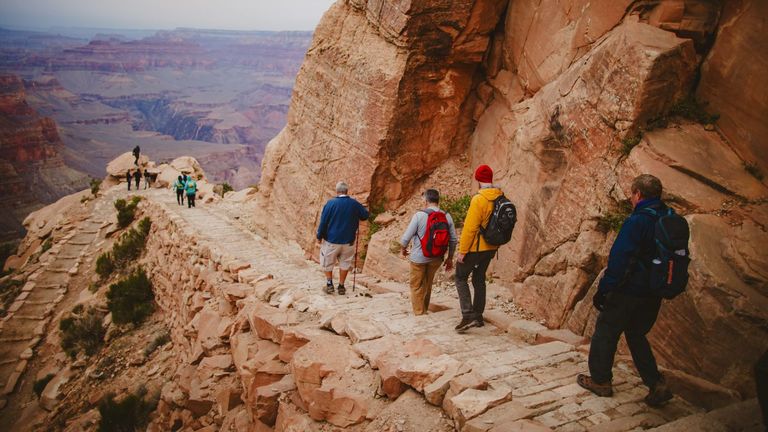 Intrepid Travel offers park-centric itineraries, including some that aim to educate park advocates as they travel.
Credit: 2025 Intrepid Travel1. Visit the Parks Now, and Responsibly
Intrepid Travel has offered tours that highlight U.S. national parks since 2009, and the tour operator estimates they’ll have brought 25,000 travelers to the public lands by the end of this year. Leigh Barnes, president of the Americas for the operator, recognizes that the parks are, and will likely continue to be, under significant strain, given layoffs and budget cuts. To support the parks, Intrepid debuted Active-ism trips this summer. The itineraries are designed to educate participants on the parks, the specific challenges they face and how to advocate for them. Expert guides and changemakers elevate the experiences.
“One of the most powerful things for us to do as a company is getting people into the parks, which puts money into the local economies that need it,” Barnes said. “And we wanted to have a platform, from which we are able to get people into nature, and then have conversations around how they can advocate for the protection and ongoing support of these places.”
For example, on a 2026 Active-ism tour in Zion and Grand Canyon national parks, author and environmentalist Wawa Gatheru will help host the trip, guide conservation-centric conversations and give guests tools to champion the parks and their preservation.
Whether with a guide or not, being a responsible traveler is crucial, says Julie Thompson, senior content and communications manager for the Western National Parks Association, a nonprofit that partners with 72 national parks across 12 western states. Clients should follow Leave No Trace principles, pay their entrance fee (or buy an annual pass) and spread the word that the parks are clean, safe and operating well.
“There’s a sentiment out there that this is not the year to go to a park, but that can be damaging,” Thompson said. “The best way the public can help is by continuing to enjoy the parks, as they always should have been enjoying them.”
Thompson also encourages travelers to consider visiting lesser-known parks, including Chiricahua National Monument in Arizona and White Sands National Park in New Mexico (both of which are partner parks to the Western National Parks Association).
“These are places that might surprise you, and help cultivate an emotional connection to the national park system as a whole,” Thompson said.
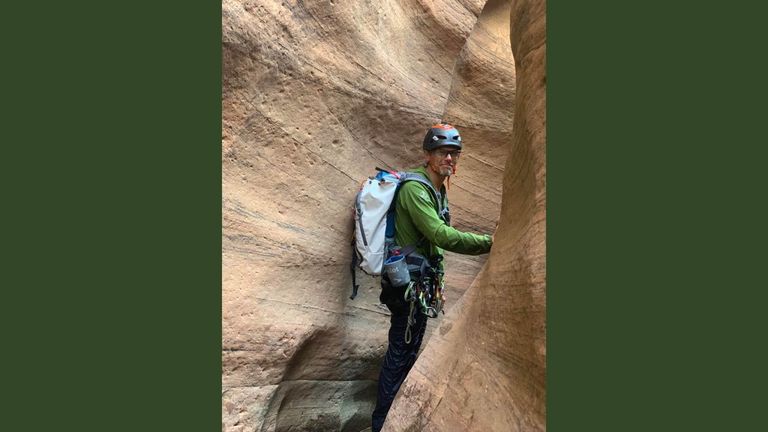 Jonathan Zambella, owner of operator Zion Guru, suggests park advocates around the country write to local Congress representatives to speak out against park cuts.
Credit: 2025 Zion Guru2. Use Your Voice for Good
Jonathan Zambella, owner of Zion Guru in Springdale, Utah, recommends that parks supporters use their voice — whether that be online, via emails or social media posts, or offline, with snail mail or peaceful protests — to help. If clients are in a park, for example, they might create social posts more about the land and (why it’s important) and less about themselves.
Let's not promote just the next great selfie location. Let's promote wise visitation that conserves and supports the vision of the park.
“Let's not promote just the next great selfie location,” Zambella said. “Let's promote wise visitation that conserves and supports the vision of the park. That makes a big difference. We want the visitation of course, but we need a bigger push for more responsible visitation.”
And don’t underestimate the collective power of letter writing, Zambella says.
“Visitors have a lot more pull than locals — we’re squeaky wheels, but they can ignore us,” he said. “Write to your Congressperson. Let them know that you're unhappy with the defunding of the parks. When they get letters from 50 different cities and from 5,000 people, it changes what they share in Washington.”
3. Donate to the Parks
Many national parks have their own nonprofit fundraising organization. For Zion National Park, that’s the Zion Forever Project; for Yosemite National Park, it’s the Yosemite Conservancy; for Glacier National Park, it’s Glacier National Park Conservancy. The list goes on. Then, there are nonprofits that encompass numerous parks, such as the aforementioned Western National Park Association and its counterpart, Eastern National. The National Park Foundation supports the National Park Service.
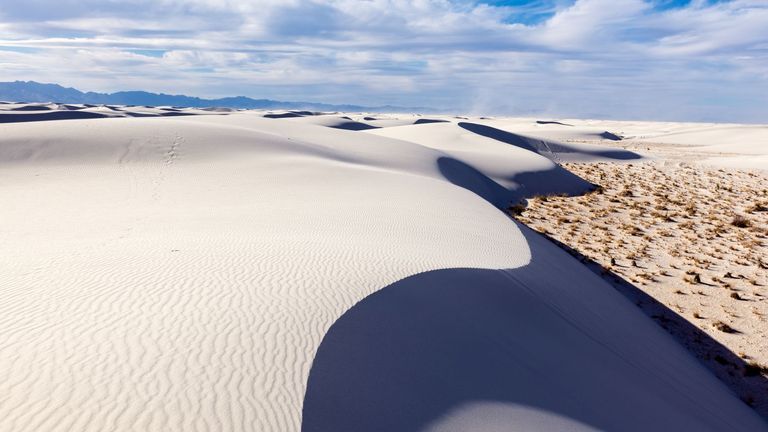 Visiting any national park helps support the system, but pros advise travelers not to forget the less-trafficked spots, such as White Sands National Park in New Mexico.
Credit: 2025 Ferenc/stock.adobe.comZambella, who has watched Zion Forever Project in action over many years, says the organization is very good at getting funds right where they’re needed — for opening new trails and restoring old ones, adding restrooms, purchasing new buses for in-park transportation and more. Organization staffers also apply for much-needed, park-specific grants and grant matches. Individual supporters can make one-time donations to support the nonprofit’s work, or they can sign up for monthly gives.
One hundred percent of our net proceeds go to our partner parks. Even if people can't make it out to a park, they can support by donating or shopping online.
Similarly, the Western National Park Association has a Park Protector program, which collects funds and disseminates important information for prospective park guests. And it works alongside the National Park Service to help fund parks at the individual park level. Money can go toward things like visitor services, free programming for park guests, Junior Ranger booklets and conservation research.
“One hundred percent of our net proceeds go to our partner parks,” Thompson said. “Even if people can't make it out to a park, they can support by donating or shopping online. And if you’re just not sure where to go, we’ll help you there, too. Our new site has several pathways to discover the perfect park for your next visit.”
