Although October is generally considered the slower “shoulder” period between peak summer and holiday travel seasons, the current government shutdown has created very real problems for travelers — and with Thanksgiving less than two months away, those challenges will undoubtedly increase.
The tried-and-true advice to "pack your patience" is more important than ever as advisors help clients prepare for delays, disruptions, closures and cancellations they may encounter when traveling during the shutdown, from making last-minute adjustments to flight schedules to choosing alternate activities once they arrive at their destination.
Airport Disruptions and Delays
Within the first week of the shutdown, several airports reported a shortage of air traffic controllers, including Denver International Airport, Newark Liberty International Airport and Hollywood Burbank Airport, which had no controllers for nearly six hours on October 6, causing many flights to be canceled or rerouted.
“When my clients travel, I have alerts that will break through if I’m sleeping, and it’s been going off for the past two weeks,” said Melanie Rodriguez, a luxury travel concierge based in the Washington D.C. area. “Every single client has experienced at least one delay. One client flying to Paris had a leg of her flight canceled and the airline didn’t notify either of us. I had two sets of clients traveling on Saturday [October 11]— one to Japan and one to Ireland— and neither was unscathed.”
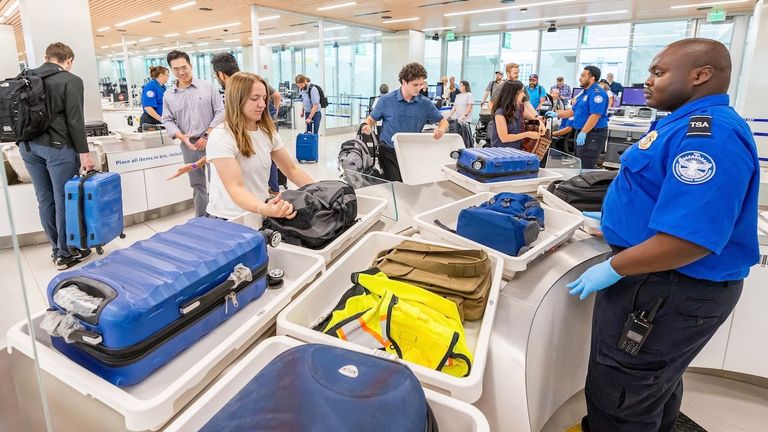 Airports recommend travelers arrive at least two hours before scheduled departures to help minimize shutdown-related delays.
Credit: 2025 Denver International AirportNick Daniels, president of the National Air Traffic Controllers Association (NATCA), which represents nearly 20,000 air traffic controllers, engineers and flight safety workers, has stated that the organization is working with the Federal Aviation Administration to "mitigate disruptions." However, travelers are also experiencing travel frustrations caused by a reduced number of Transportation Security Administration (TSA) agents — and while airports are recommending travelers arrive at least two hours before scheduled departures to help minimize shutdown-related delays, even that doesn’t seem like enough time.
“I’m having clients who do not have TSA PreCheck show up an extra hour early, and I’m communicating more [with all clients] on travel days to make sure I get ahead of anything that goes wrong,” Rodriguez said. “We’re seeing longer lines at customs too. I’ve had videos sent to me from Dulles where the line was hours long — even global entry had a line.”
National Parks and Attractions
Clients planning upcoming trips within the U.S. should be aware that many federally operated museums and attractions are closed. Advisors can help clients avoid disappointment — and make alternate plans — by recommending they check for closures before they travel.
All 63 national parks are open for public use —including Utah’s iconic Zion, Arches, Canyonlands, Capitol Reef and Bryce Canyon. However, certain facilities within the parks are closed such as Black Rock Nature Center in Joshua Tree National Park, the caves in Carlsbad Caverns National Park and the tram to the observation deck at Gateway Arch in St. Louis. Also closed is the South Rim Visitor Center and Phantom Ranch at the Grand Canyon.
“I have a client who had been so excited to win the lottery to stay at the Phantom Ranch and do the Grand Canyon, Zion and Arches, but they had to pivot and switch to a cruise instead,” Rodriguez said.
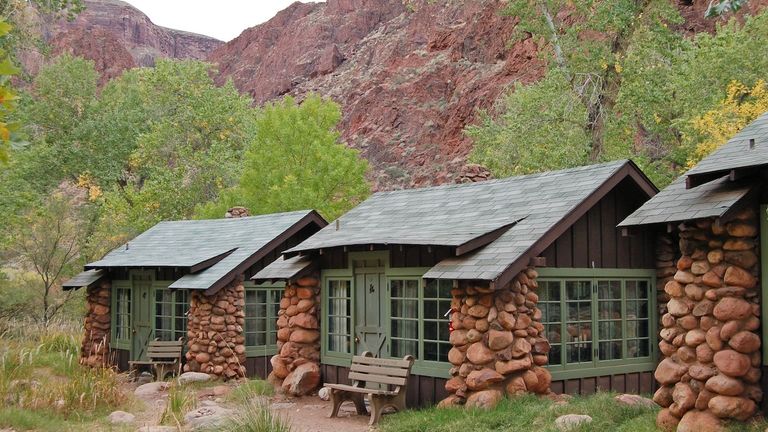 Phantom Ranch at the Grand Canyon is currently closed.
Credit: 2025 Grand Canyon National ParkAs of October 12 the museums and attractions operated by the Smithsonian Institution are closed, including the National Air and Space Museum, the National Museum of Natural History, the National Museum of American History and the National Zoo in Washington, D.C., as well as The Cooper Hewitt Design Museum in New York.
According to Destination DC, the organization that promotes tourism in the nation’s capital, other closed sites are the Library of Congress, the National Archives Museum, the Washington Monument and the National Arboretum. Tours of the Capitol and Pentagon have also been suspended.
Similarly, Visit Philadelphia, the official tourism marketing agency for that city, has posted on its website that several important landmarks in Independence National Historical Park are closed, including the Liberty Bell Center, Independence Hall and the Benjamin Franklin Museum. The Betsy Ross House, the Museum of the American Revolution, the National Constitution Center and several other Philadelphia attractions remain open.
Advisors can access up-to-date information about open and closed attractions on the Visit Philadelphia and Destination DC websites.
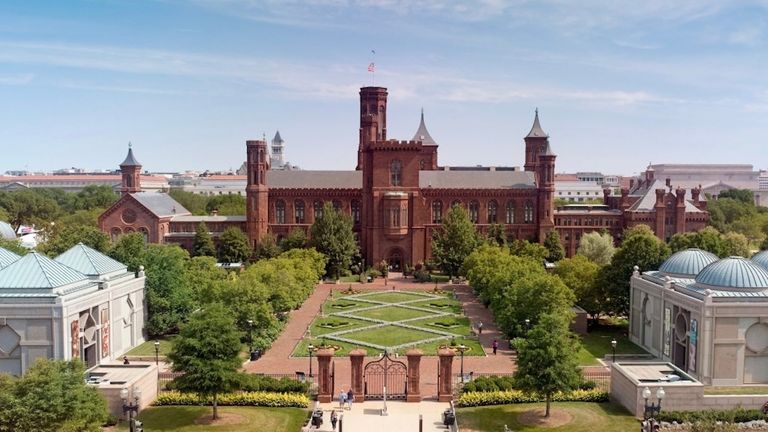 Clients planning trips within the U.S. should be aware that many federally operated museums and attractions are closed.
Credit: 2025 Smithsonian InstitutionAnticipatory Anxiety
While unexpected delays, cancellations and closures upset travelers at any time, the shutdown has forced clients to expect disruptions, which has not only created stress for those currently traveling, but advisors may also be seeing “anticipatory anxiety,” particularly with the busy holiday travel season right around the corner.
“The biggest impact is for clients who are too scared to travel,” Rodriguez said. “I’ve also had clients cancel because they feel like they won’t be safe traveling on an American passport.”
According to Rodriguez, many of her clients are also not getting paid during the shutdown, a financial reality for federal employees and members of the military across the U.S., which may be causing clients to reevaluate upcoming travel plans.
“One family planning a dream Disney vacation had me completely rework their trip to drop the price so they could buy groceries for their kids,” she said. “I also had a group of 22 cancel their family trip to Jamaica for festive because my client was [laid off]. It’s really hard on our spirit.”
But, she said, “people still want to travel.”
