As the government shutdown continues, the Federal Aviation Administration (FAA) and Department of Transportation (DOT) have instructed airlines to reduce the number of scheduled flights across 40 U.S. airports beginning on Friday, November 7, 2025.
According to the FAA, the reduction in flights through high-traffic airports is intended to help airlines operate safely during the shutdown, which has seen increased delays and cancellations due to a shortage of an estimated 3,500 air traffic controllers.
This is about where the pressure is and how to really deviate the pressure.
While safety is everyone's primary concern, the impact on travelers — especially leading into the Veteran's Day holiday weekend — could include longer wait times, increased flight cancellations and potential changes to travel itineraries. The FAA has warned that additional flight restrictions may be added if air traffic issues continue into the busy holiday travel season.
"Our sole role is to make sure that we keep this airspace as safe as possible,” said Bryan Bedford, the administrator at the FAA, during a press conference on November 5. “Reduction in capacity at 40 of our locations is not based on light airline travel locations. This is about where the pressure is and how to really deviate the pressure.”
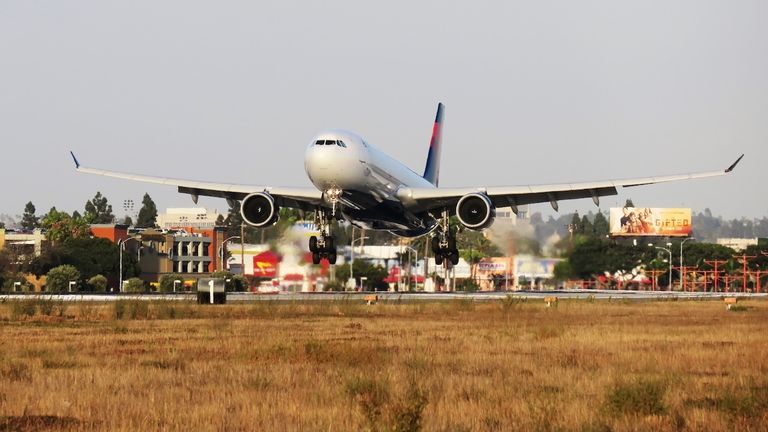 Among the 40 airports expected to be impacted are John F. Kennedy, Boston-Logan, Washington Dulles, Chicago O'Hare and LAX.
Credit: Credit 2025 Los Angeles International AirportAmong the 40 airports expected to be impacted are New York John F. Kennedy International, Boston-Logan International, Washington Dulles International, Chicago O'Hare International, Dallas-Fort Worth International, Los Angeles International and San Francisco International.
On Thursday morning, many United Airlines customers with upcoming travel plans received an email from Scott Kirby, CEO of United, explaining that beginning Friday, the airline's flight schedules will be updated on a rolling basis. Kirby noted that United’s long-haul international flying will not be affected, nor will service between the airline’s six “hub airports”— Chicago O’Hare, Denver, Houston, Los Angeles, Newark Liberty International, San Francisco and Washington Dulles.
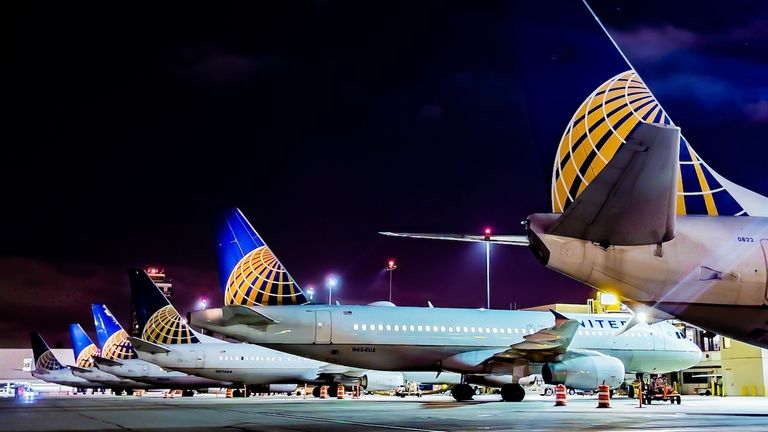 United Airlines’ CEO told customers that service between the airline’s six hub airports will not be impacted.
Credit: Los Angeles World Airports/Jacob BrosseauStatements on the American Airlines and Delta Airlines websites say "the vast majority" of flights will be unaffected, and both airlines have stated that long-haul international travel will remain as scheduled. However, the Boston Logan website states they "anticipate delays and cancellations" and urge passengers to check with airlines before arriving at the airport.
I’m hoping for a resolution from Washington so the busiest travel season can start off without too many issues.
“Thankfully there haven't been any impacts to my clients at this time — and most have chosen to purchase travel insurance — but I'm preparing them mentally for what could potentially happen and setting expectations,” said Theresa Chu-Bermudez, owner of Get Out Custom Travels. “We learned many lessons during COVID-19, and one of those lessons is to not panic and to take things one day at a time.”
Clients with flights booked through United who choose to cancel are eligible for refunds —whether their flight is impacted or not, and regardless of ticket type, including non-refundable and basic economy tickets. American and Delta customers whose flights are canceled or who choose not to travel can also change, cancel or refund their flights without any penalty.
“I have some clients traveling domestically for Thanksgiving and others traveling internationally mid-month, but all of them are highly concerned their flight will be affected,” said Natalia Yepes, an advisor for Adventuresque Travel Boutique. “It's very daunting not to have concrete answers for them. I’m hoping for a resolution from Washington so the busiest travel season can start off without too many issues.”
